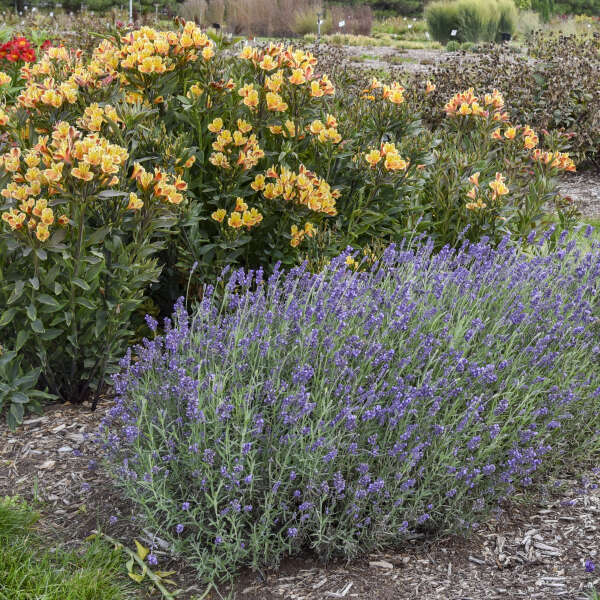
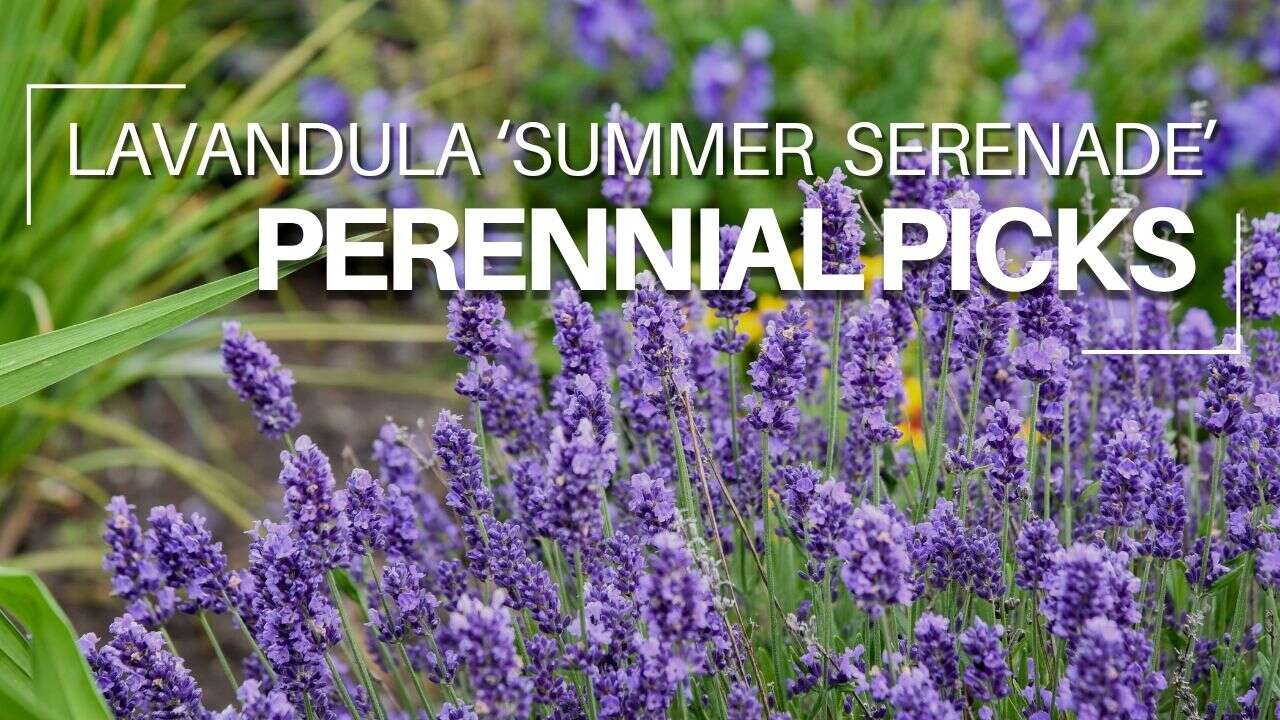
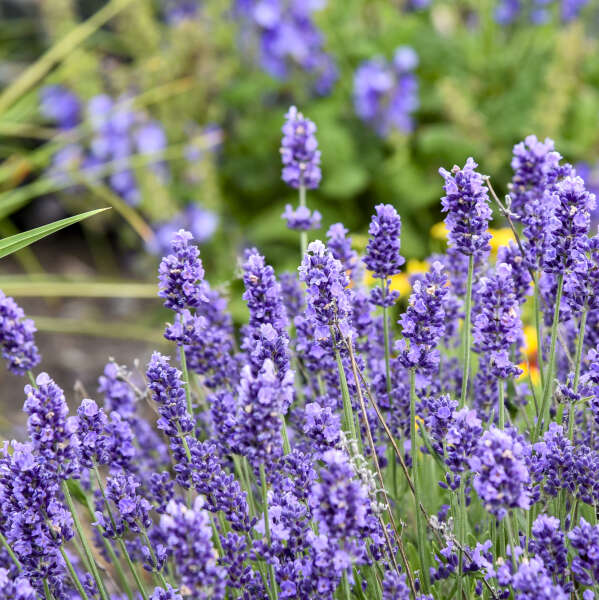
A well-rounded ball of a Lavender perfect for filling out the front of the border. This is one of our earliest Lavenders to show color each year, with spikes of true lavender flowers continuing to pack the plant as summer progresses. Blooms without vernalization. 'Summer Serenade' was selected for its compact, landscape characteristics.
Lavender is a versatile and attractive addition to any landscape, offering fragrant blooms that attract pollinators like bees and butterflies. Its silvery foliage and vibrant purple flowers provide year-round visual interest and pair beautifully with other sun-loving plants. Lavender is drought-tolerant and low-maintenance once established, making it ideal for sustainable gardens. Plus, its aromatic qualities can be enjoyed in fresh or dried arrangements, adding beauty and function to outdoor spaces.
128ct Plug Tray |
20ct Plug Tray |
72ct Plug Tray |
Grade #1 Bare Root |
Height:
14.0-16.0 Inches
Spread:
14.0-16.0 Inches
Hardiness Zones:
5,6,7,8,9
Flower Color:
Purple shades
Foliage Color:
Green shades
Sunlight:
Full Sun (> 6 hrs. Direct Sun)
Water Requirements:
Low Water Needs
Soil Quality:
Poor Soil Quality
Soil Chemistry:
Neutral Soil (pH = 7.0) Alkaline Soil (pH > 7.0)
Bloomtime:
Early Summer Midsummer Late Summer Early Fall
Attracts Wings:
Attracts Butterflies Bee Friendly
Critter Resistant:
Deer Resistant Rabbit Resistant
Seasonal Interest:
Dried Seed Heads Evergreen
Growth Rate:
Medium
Garden Style:
Patio Container Cottage Eclectic Formal Prairie Rock Garden
Other Features:
Border Plant Container Cut Flower Cut Foliage Dried Flower Drought Tolerant Edging Fragrant Flowers Fragrant Foliage Mass Planting
Origin:
Not Native to North America
English Lavender thrives in full sun and well-drained soil, ideally sandy or loamy with a neutral to slightly alkaline pH. Avoid overwatering, as lavender prefers dry conditions and is highly susceptible to root rot in poorly drained soils. Space plants to allow good air circulation and prune lightly after flowering to maintain shape and encourage new growth. Mulching with gravel rather than organic material helps keep the crown dry and prevents fungal issues.
Container:
Trade 1 Gallon Container
When to Plant:
Late winter to spring
Finish:
7-9 weeks
Container:
Trade 1 Gallon Container
When to Plant:
Summer through early fall or late winter to spring
Finish:
8 weeks (summer) 11-12 weeks (winter)
Container:
Premium 2 Gallon Pot
When to Plant:
Late winter to spring
Finish:
8-10 weeks
Growing Temperature:
65° F until new shoots emerge or desired size is reached, can cool down later to hold plants
Holding Temperature:
50° F
Soil PH:
5.8-6.2
EC (What is EC?):
1.25-1.75 pour through method
Fertility:
Lavender is a very light feeder and grows well under a constant liquid fertilizer program at a rate of 50-75 ppm.
Vernalization:
Most lavender varieties require 8-10 weeks of cold temperatures to flower.
SWEET ROMANCE® is cold benificial but can flower without vernalization. This makes it easy to grow from small plugs in spring or summer.
Pests & Diseases:
Damping-off, leaf spot (Septoria), root rot (Armillaria) and Botrytis can be problematic.
If planting bare root lavender, it is recommended to apply a preventative drench after transplant. Preventative fungicide sprays with activity against Botrytis are also recommended. Daconil is very effective but also leaves a residue so should only be used early in the crop. Milstop and Decree are two chemistries that can be used later on, as they do not leave residue.
Potting & Timing:
Root trimming is generally not necessary.
Lavender prefers a moderately cool start (~65) until their roots are established. Too cool of temperatures, however, especially when combined with media that stays too wet or does not drain well, will result in poor performance.
Bare root lavender is a great quick turn choice for late winter to spring crops. If planting mid to late spring it is suggested to plant fresh dug plants as they will begin to grow quicker in the container.
Moisture:
For potting soil use well-drained commercial planting media.
Water in bare root plants throughly to eliminate any air pockets. Allow media to dry slightly before watering again.
If planting from plugs, grow slightly dry until new growth appears. Once actively growing then lavender prefer to be slightly moist. Avoid over-watering to ensure a healthy root system and avoid watering late in the day to prevent foliar diseases.
Planting Level:
Crown even with soil line.
PGRs/Pinching:
Most lavender are compact and do not require a PGR application. If needed, apply Sumagic at 5 ppm. A second application 7 days later may be needed to control the growth.
Small plugs may benefit from a soft pinch two weeks after transplanting.
Lighting:
Provide high light levels for lavender, a high light intensity produces a better quality plant.
Once vernalized, lavender will flower under any day length.
Other Comments:
Wet, poorly-draining soil and high humidity conditions with poor air movement are the demise of lavender plants and often will lead to decline.
Grower Tips:
After transplanting bare root lavender it is recommended to protect the dormant evergreen foliage from drying out. Placing a light weight frost blanket or germination cloth over the crop can prevent this from happening. This protects the foliage until the new feeder roots form and can support the new growth. It is also important to unbox and plant bare root lavender as quickly as possible, as the foliage causes it to dessicate more quickly than most other bare root items during storage. Lavender is a high priority plant to get planted first and water in right away after planting.
Height:
14.0-16.0 Inches
Spread:
14.0-16.0 Inches
Hardiness Zones:
5,6,7,8,9
Flower Color:
Purple shades
Foliage Color:
Green shades
Sunlight:
Full Sun (> 6 hrs. Direct Sun)
Water Requirements:
Low Water Needs
Soil Quality:
Poor Soil Quality
Soil Chemistry:
Neutral Soil (pH = 7.0) Alkaline Soil (pH > 7.0)
Bloomtime:
Early Summer Midsummer Late Summer Early Fall
Attracts Wings:
Attracts Butterflies Bee Friendly
Critter Resistant:
Deer Resistant Rabbit Resistant
Seasonal Interest:
Dried Seed Heads Evergreen
Growth Rate:
Medium
Garden Style:
Patio Container Cottage Eclectic Formal Prairie Rock Garden
Other Features:
Border Plant Container Cut Flower Cut Foliage Dried Flower Drought Tolerant Edging Fragrant Flowers Fragrant Foliage Mass Planting
Origin:
Not Native to North America
English Lavender thrives in full sun and well-drained soil, ideally sandy or loamy with a neutral to slightly alkaline pH. Avoid overwatering, as lavender prefers dry conditions and is highly susceptible to root rot in poorly drained soils. Space plants to allow good air circulation and prune lightly after flowering to maintain shape and encourage new growth. Mulching with gravel rather than organic material helps keep the crown dry and prevents fungal issues.
Container:
Trade 1 Gallon Container
When to Plant:
Late winter to spring
Finish:
7-9 weeks
Container:
Trade 1 Gallon Container
When to Plant:
Summer through early fall or late winter to spring
Finish:
8 weeks (summer) 11-12 weeks (winter)
Container:
Premium 2 Gallon Pot
When to Plant:
Late winter to spring
Finish:
8-10 weeks
Growing Temperature:
65° F until new shoots emerge or desired size is reached, can cool down later to hold plants
Holding Temperature:
50° F
Soil PH:
5.8-6.2
EC (What is EC?):
1.25-1.75 pour through method
Fertility:
Lavender is a very light feeder and grows well under a constant liquid fertilizer program at a rate of 50-75 ppm.
Vernalization:
Most lavender varieties require 8-10 weeks of cold temperatures to flower.
SWEET ROMANCE® is cold benificial but can flower without vernalization. This makes it easy to grow from small plugs in spring or summer.
Pests & Diseases:
Damping-off, leaf spot (Septoria), root rot (Armillaria) and Botrytis can be problematic.
If planting bare root lavender, it is recommended to apply a preventative drench after transplant. Preventative fungicide sprays with activity against Botrytis are also recommended. Daconil is very effective but also leaves a residue so should only be used early in the crop. Milstop and Decree are two chemistries that can be used later on, as they do not leave residue.
Potting & Timing:
Root trimming is generally not necessary.
Lavender prefers a moderately cool start (~65) until their roots are established. Too cool of temperatures, however, especially when combined with media that stays too wet or does not drain well, will result in poor performance.
Bare root lavender is a great quick turn choice for late winter to spring crops. If planting mid to late spring it is suggested to plant fresh dug plants as they will begin to grow quicker in the container.
Moisture:
For potting soil use well-drained commercial planting media.
Water in bare root plants throughly to eliminate any air pockets. Allow media to dry slightly before watering again.
If planting from plugs, grow slightly dry until new growth appears. Once actively growing then lavender prefer to be slightly moist. Avoid over-watering to ensure a healthy root system and avoid watering late in the day to prevent foliar diseases.
Planting Level:
Crown even with soil line.
PGRs/Pinching:
Most lavender are compact and do not require a PGR application. If needed, apply Sumagic at 5 ppm. A second application 7 days later may be needed to control the growth.
Small plugs may benefit from a soft pinch two weeks after transplanting.
Lighting:
Provide high light levels for lavender, a high light intensity produces a better quality plant.
Once vernalized, lavender will flower under any day length.
Other Comments:
Wet, poorly-draining soil and high humidity conditions with poor air movement are the demise of lavender plants and often will lead to decline.
Grower Tips:
After transplanting bare root lavender it is recommended to protect the dormant evergreen foliage from drying out. Placing a light weight frost blanket or germination cloth over the crop can prevent this from happening. This protects the foliage until the new feeder roots form and can support the new growth. It is also important to unbox and plant bare root lavender as quickly as possible, as the foliage causes it to dessicate more quickly than most other bare root items during storage. Lavender is a high priority plant to get planted first and water in right away after planting.
About Us •
Contact Us •
Proven Winners ® •
Perennials •
Ordering •
Availability •
Resources •
Cultural Info •
Video
1992 96th Ave. Zeeland, MI. • P.O. Box 137
www.waltersgardens.com • www.perennialresource.com • www.provenwinners.com
sales@waltersgardens.com • 1-800-WALTERS • Privacy Notice